Woodcut Tattoo Ideas
Woodcut Tattoo Guide

Woodcut Tattoo Ideas

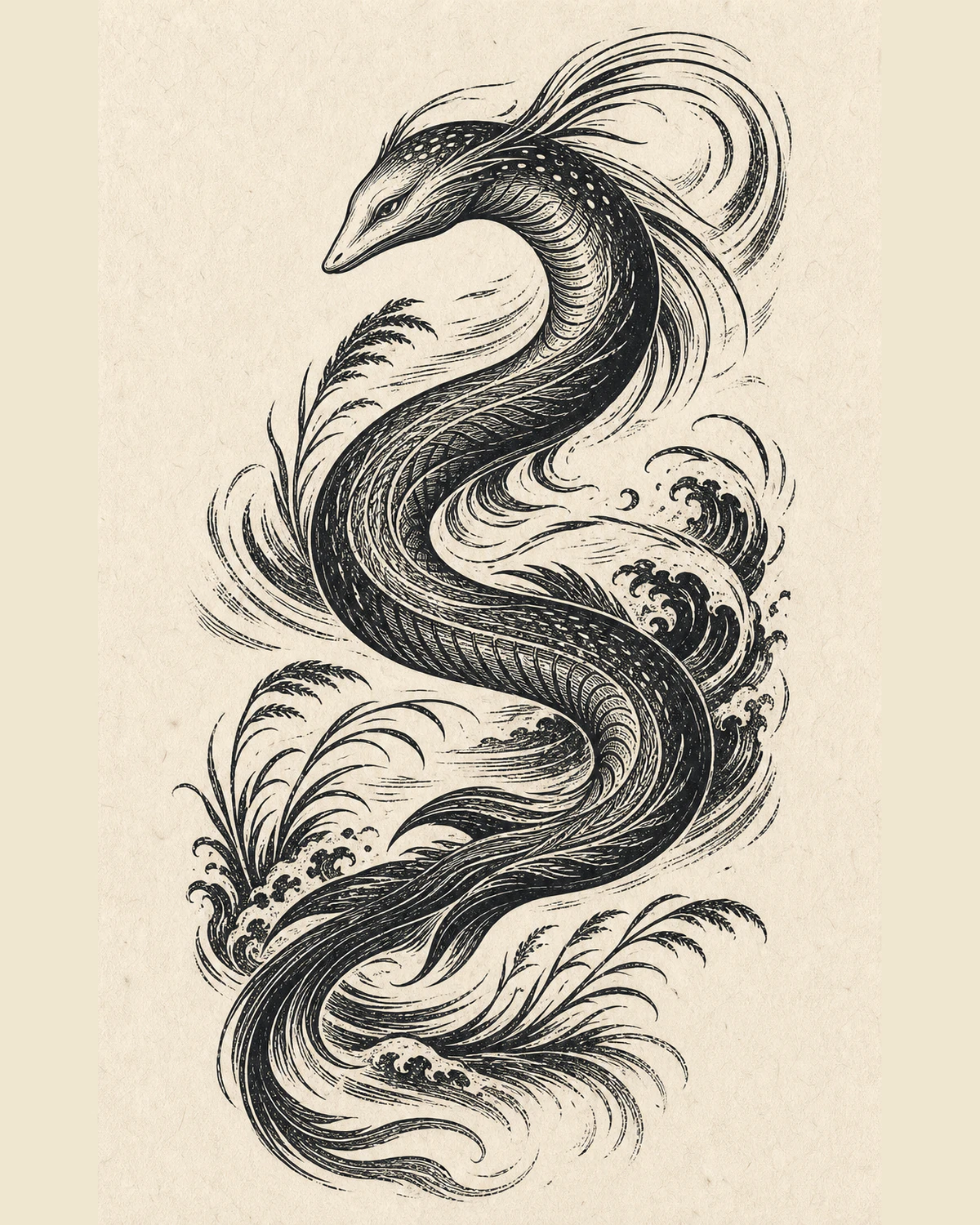
Plan a woodcut tattoo with the logic of the printing block: carved contours, hatching that follows the form, and black that ages like the five-hundred-year-old prints it borrows from.

Why the oldest print style makes one of the toughest tattoos

Woodcut style translates the language of engraving and linocut onto skin: bold carved outlines, parallel hatching for shade, and no grays that a blade couldn't cut. Because everything is line and black, these pieces heal hard and age slower than almost anything else in the catalog.

Blade logic: every mark looks carved, and hatching does all the shading work
Motif fit: medieval plates, memento mori, botanical engravings, heraldic beasts
Line direction: hatching follows the form it shades, like ink following a gouge
Age-proof: pure black linework survives sun and decades better than any gradient
Medieval and occult plates Woodcut
Starter Promptwoodcut engraving tattoo style, bold carved black lines, vintage print texture, medieval illustration

Use this as a base, then add motif, placement, palette, and background details.

Woodcut Motif Direction

Old plates, new skin: the material decides the drawing

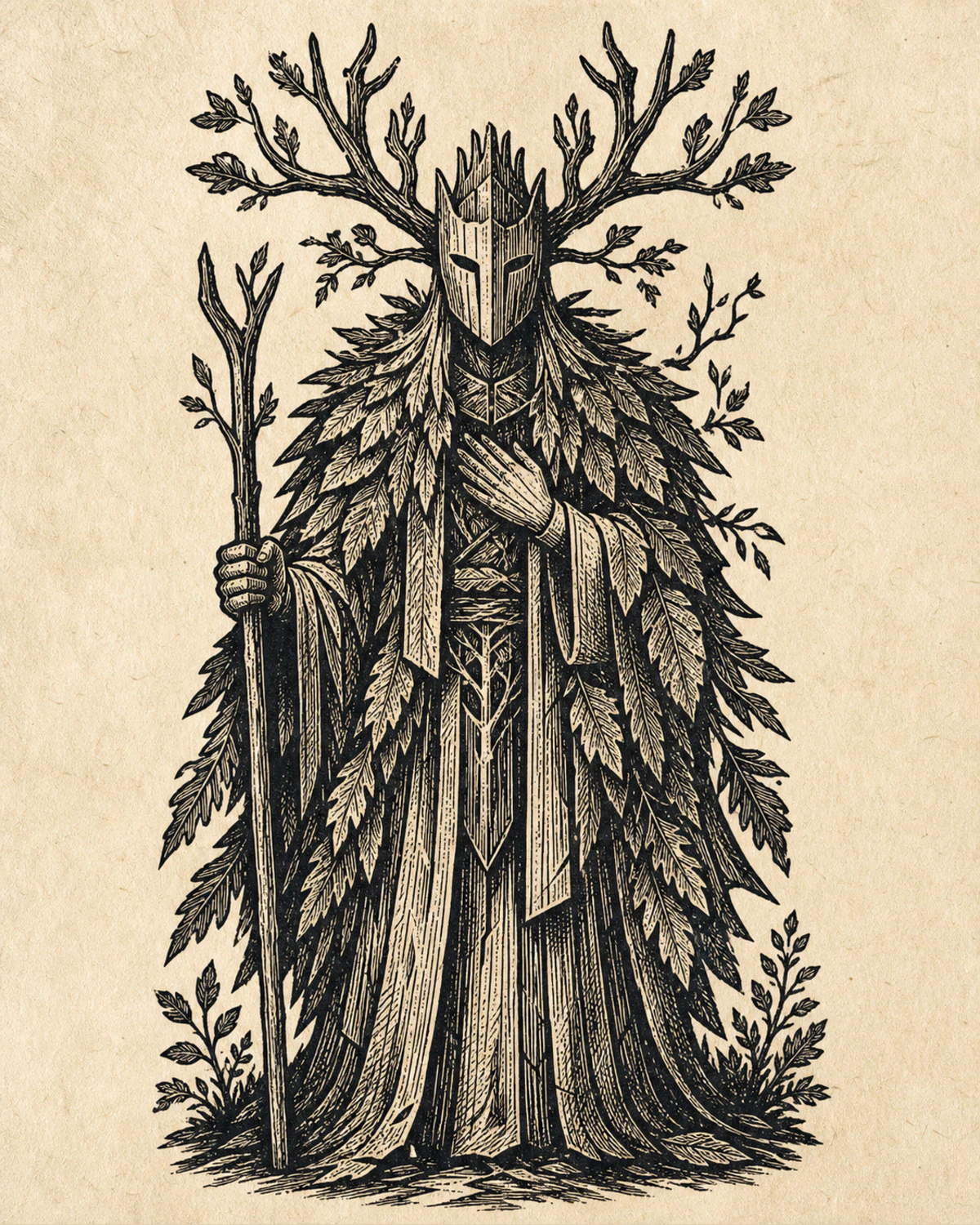
A woodcut tattoo works when it obeys the printing block: bold contours, disciplined hatching, no soft edges. The style rewards subjects that already lived in old prints, and forgives nothing that pretends to be a photograph.

Medieval and occult plates Woodcut
01

Medieval and occult plates

memento morisunmoon

Sun faces, moons, skeletons, and alchemical diagrams straight from the old books.

The medieval print archive is the style's home library: dancing skeletons, radiant sun faces, tarot-adjacent emblems. These motifs carry centuries of visual weight and need no explanation to read as intentional.

Best fit

Best for forearm, upper arm, and calf, where a plate-like rectangle or medallion sits naturally.

Design note

Frame it like a print: a border line or cropped plate edge makes the reference explicit and gives the composition a spine.
Botanical engravings Woodcut
02

Botanical engravings

botanicalherbplate

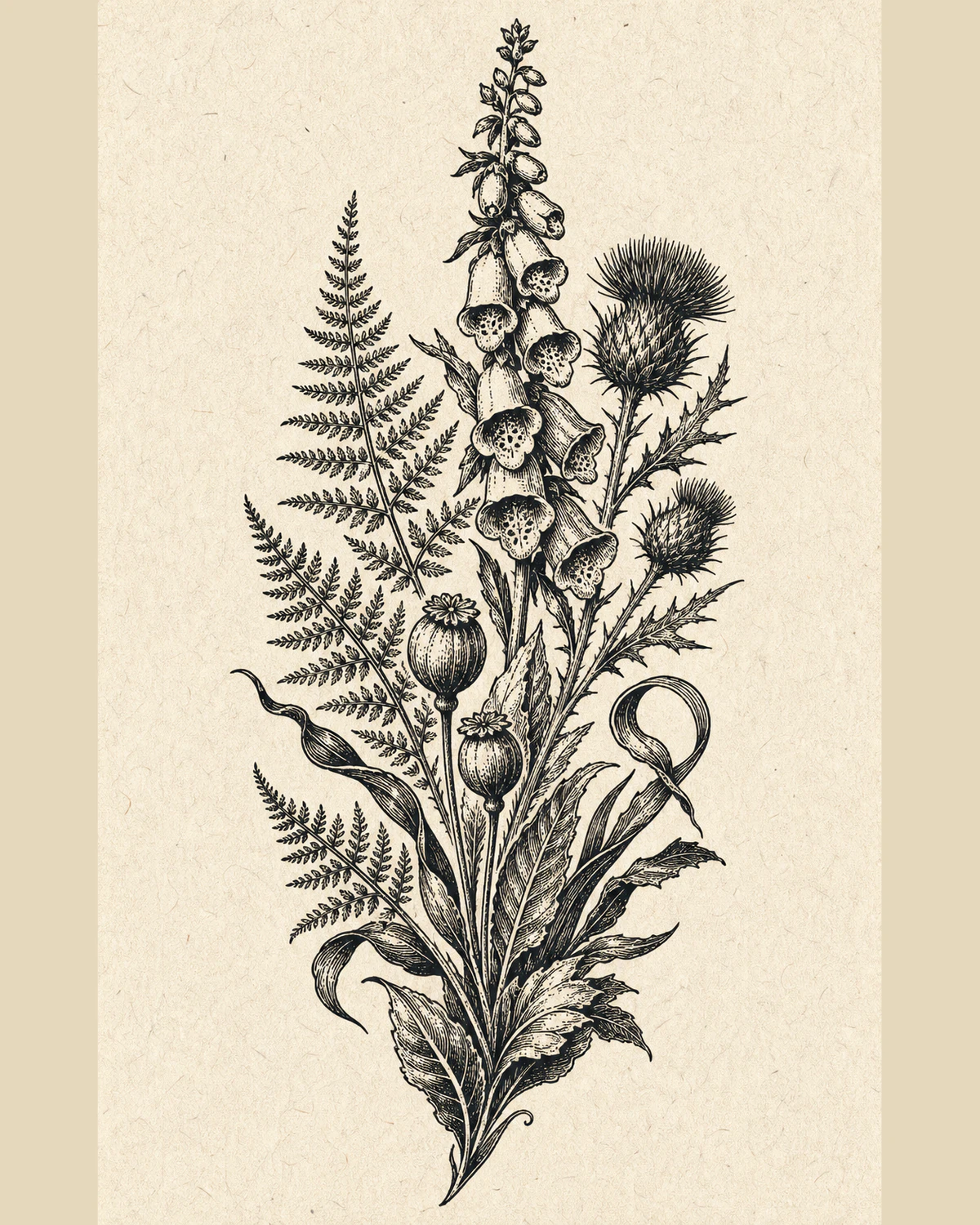
Herbarium-style plants: precise, labeled-looking, and quietly scientific.

Old botanical plates drew plants with a rigor tattooing rarely sees: every leaf vein hatched, every root documented. On skin, that rigor reads as calm authority, and it ages far better than soft botanical shading.

Best fit

Best for inner forearm and shin verticals, where a single stem can run tall.

Design note

Keep one plant per piece and let the hatching carry the volume. A ribbon banner with a name in serif type completes the plate look.

Heraldic and mythical beasts Woodcut
03

Heraldic and mythical beasts

liondragonheraldry

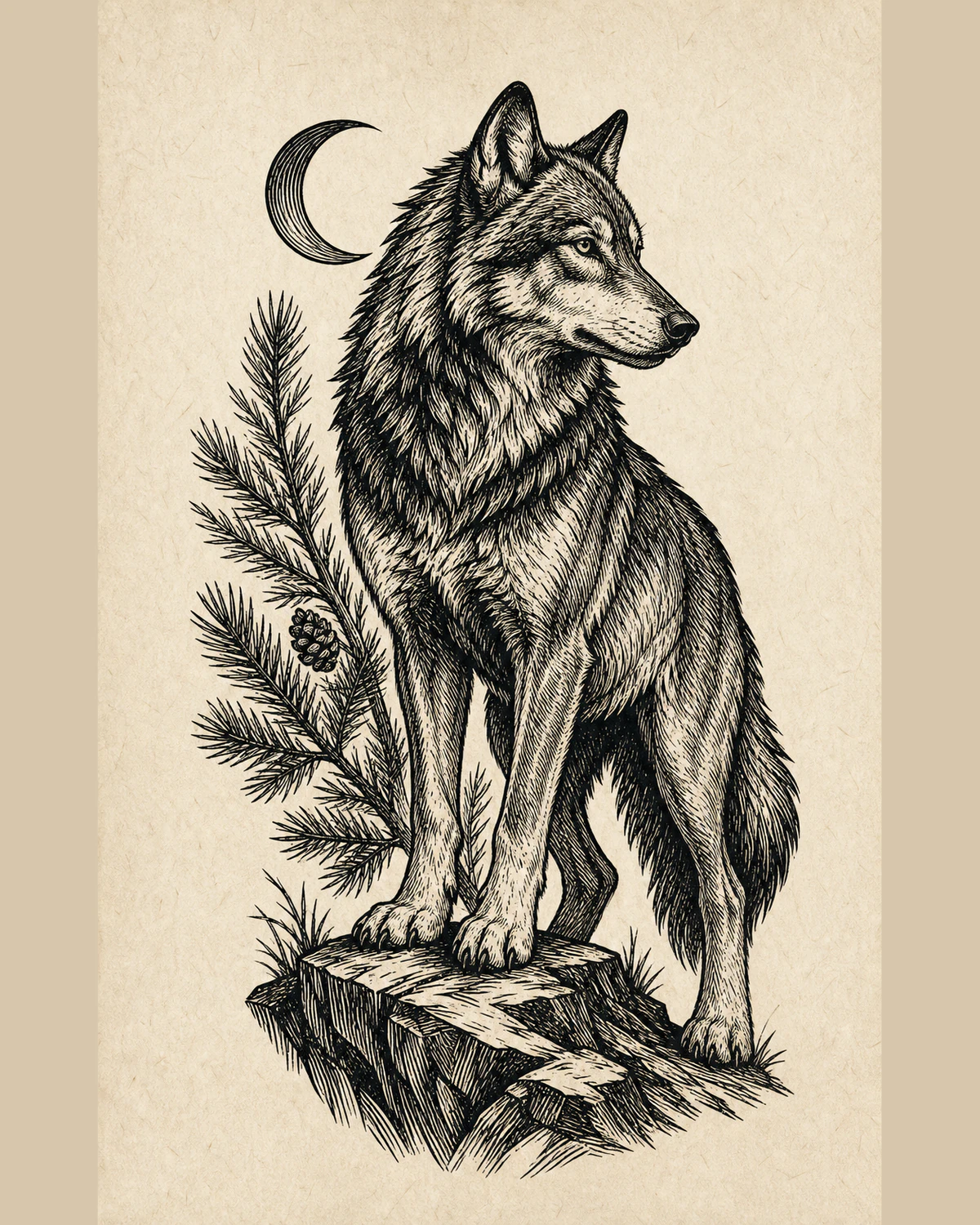
Lions, gryphons, serpents, and boars with the stiffness that makes heraldry powerful.

Heraldic animals are deliberately rigid: the pose is a symbol, and the stiffness is the strength. Woodcut treatment keeps their dignity where realism would soften them into wildlife photography.

Best fit

Best for chest panels, shoulder blades, and thighs, where a crest can sit square.

Design note

Commit to the pose: rampant, passant, coiled. Halfway naturalistic heraldry loses both the symbol and the animal.

Expressionist figures Woodcut
04

Expressionist figures

figureexpressionistgouge

Rough-cut faces and hands in the spirit of the woodcut revival: raw, angular, human.

Twentieth-century printmakers cut figures with deliberate roughness, letting the gouge marks show. That rawness translates into tattoos with unusual emotional force, halfway between portrait and mask.

Best fit

Best for upper arm and calf, with enough room for the angular planes to stay separate.

Design note

Let the cut marks stay visible and uneven. Cleaning them up removes exactly the quality that makes the style feel carved.

Test the carving before the studio consult

01

"Compare medieval, botanical, heraldic, and expressionist directions to find your plate."

02

"Generate tighter and rougher hatching versions and see which density still reads at arm's length."

03

"Build a brief naming the border treatment, hatching direction, and the zones that stay uncut skin."

Styles

Woodcut tattoo planning: hatching, borders, and the long game

Hatching is the entire craft. The lines that shade a woodcut piece need consistent spacing, a direction that follows the form, and enough width to stay separate after healing. When hatching lines close up, the piece turns into accidental blackwork, so artists who cut this style plan their line gaps like engineers.

The style's superpower is age. Pure black linework fades slower and blurs less than any gradient-based style, which is why five-hundred-year-old prints still read perfectly and why a well-spaced woodcut tattoo will outlive most of its neighbors on the same arm.

Popular woodcut directions

01

Memento mori plate

A skeleton, hourglass, or sun face framed like a page from a medieval book.

02

Botanical engraving

A single herbarium-style plant with hatched veins and a serif name banner.

03

Heraldic beast

A lion, gryphon, or serpent in a committed heraldic pose with carved stiffness.

04

Expressionist cut figure

A rough-gouged face or pair of hands with the cut marks left visible.

Woodcut tattoo FAQ

Blackwork builds with solid black masses; woodcut builds with carved lines and hatching, and rarely fills an area completely. Many pieces borrow from both, but the woodcut identity lives in the visible line direction.
Only if it starts too tight. Ink spreads slightly every year, so the line gaps need to be planned wider than they look ideal on paper. An artist who works in this style will space for the ten-year version.
Subjects that already lived in prints: medieval emblems, botany, heraldry, saints, and skeletons. Photographic subjects fight the style, because woodcut refuses the soft gradients a photo expects.
Name the plate feeling, hatching, and border. A useful prompt might ask for a medieval woodcut sun face for the forearm, bold carved outlines, parallel hatching following the form, cropped plate border, no gray shading, no solid fills.

Start with a draft that respects the blade

The designs on this page all came out of our AI tattoo generator. Describe your idea, pick the Woodcut style, and a first draft lands in about a minute. Free to start.