Watercolor Tattoo Ideas
Watercolor Tattoo Guide

Watercolor Tattoo Ideas

Plan a watercolor tattoo with clearer color structure, motif choices, placement notes, and an AI-ready brief you can refine before the studio consult.

What makes a watercolor tattoo work

Watercolor tattoos borrow the softness of paint on paper, but a strong tattoo still needs structure. The best pieces balance airy washes, readable linework, controlled fading, and enough negative space so the design stays graceful after the first healed season.

Soft washes: pale blues, rose, violet, amber, and teal blended with open skin
Fine line anchors: stems, wings, moon shapes, petals, and silhouettes that keep the color readable
Movement motifs: birds, butterflies, fish, florals, and brush fields that suit soft edges
Healing discipline: sun protection, color spacing, and a realistic plan for touch-ups
Florals and botanicals Watercolor

Starter Prompt

watercolor tattoo style, soft paint splashes, vibrant blended colors, airy brushstroke effect, fine line anchors and clean negative space

Use this as a base, then add motif, placement, palette, and background details.

Color And Motif Breakdown

Watercolor tattoos need softness, but they also need a clear design skeleton

A watercolor tattoo can look loose without becoming vague. Choose one subject to hold the composition, then let color washes support movement, mood, and placement. This keeps the piece painterly while still giving your artist something tattooable.

Florals and botanicals Watercolor
01

Florals and botanicals

soft petalsfine stemspastel washes

The most reliable direction when you want color to feel tender without losing shape.

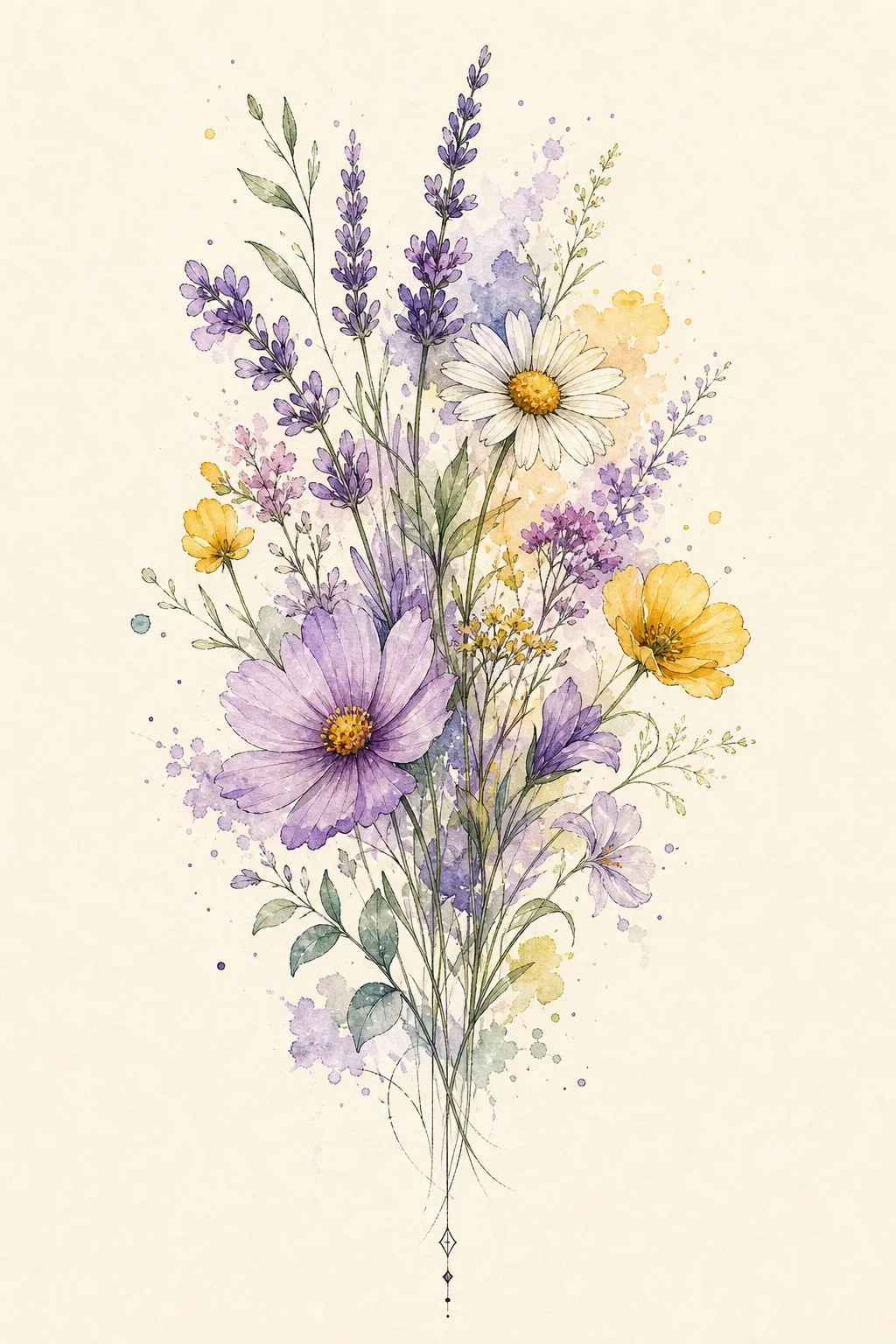
Flowers give watercolor tattoos natural edges. Petals, leaves, and stems can hold the drawing while pink, lavender, yellow, and green washes create the painted feel around them.

Best fit

Best for inner forearms, collarbones, shoulders, ribs, ankles, and smaller placements that need a light, personal feel.

Design note

Use fine black or soft grey linework under the petals. Keep some clean skin between washes so the colors do not heal into one blurred patch.
Animals in motion Watercolor
02

Animals in motion

birdsfishbutterflies

Great for designs that need lift, travel, or a sense of life moving through the color.

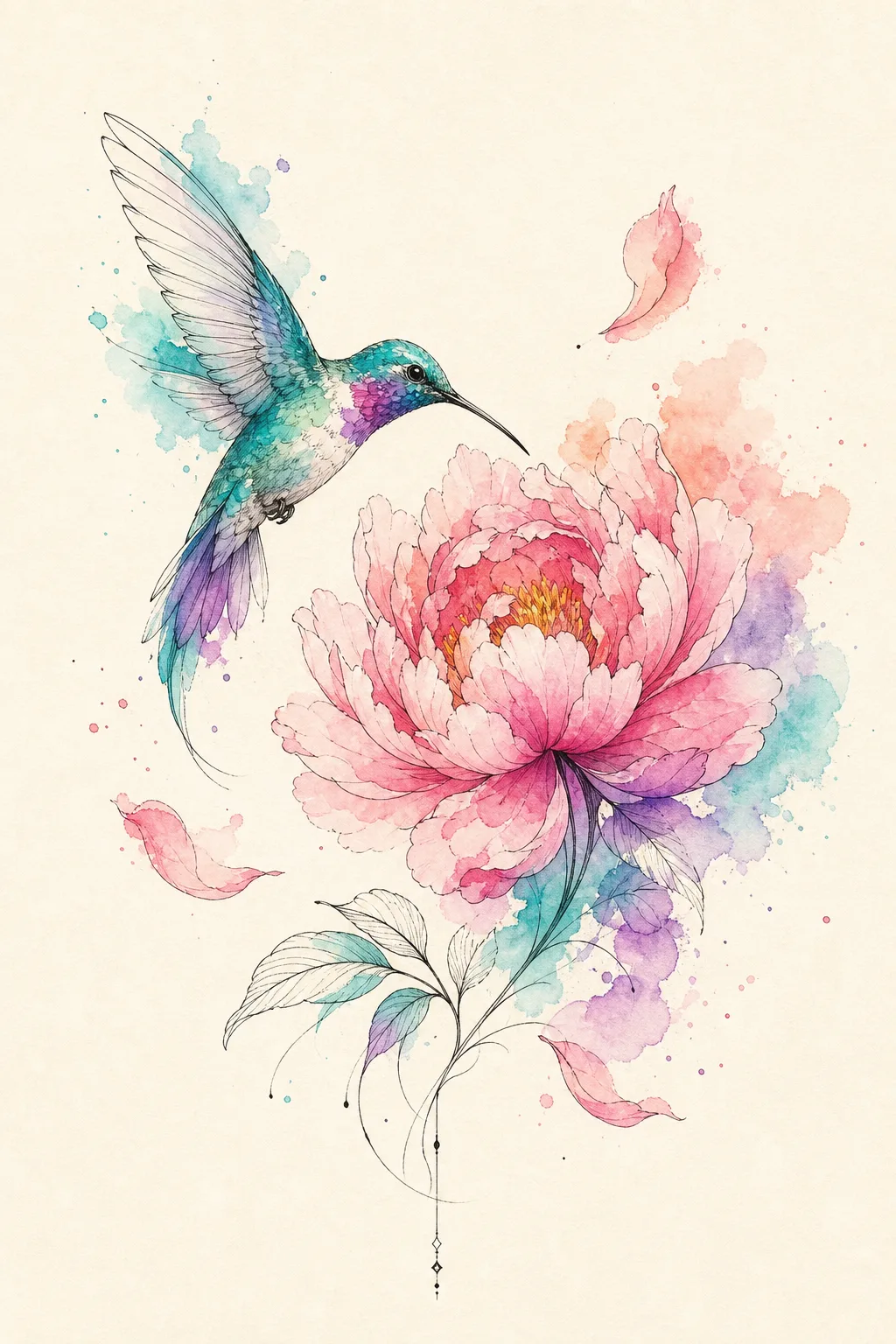
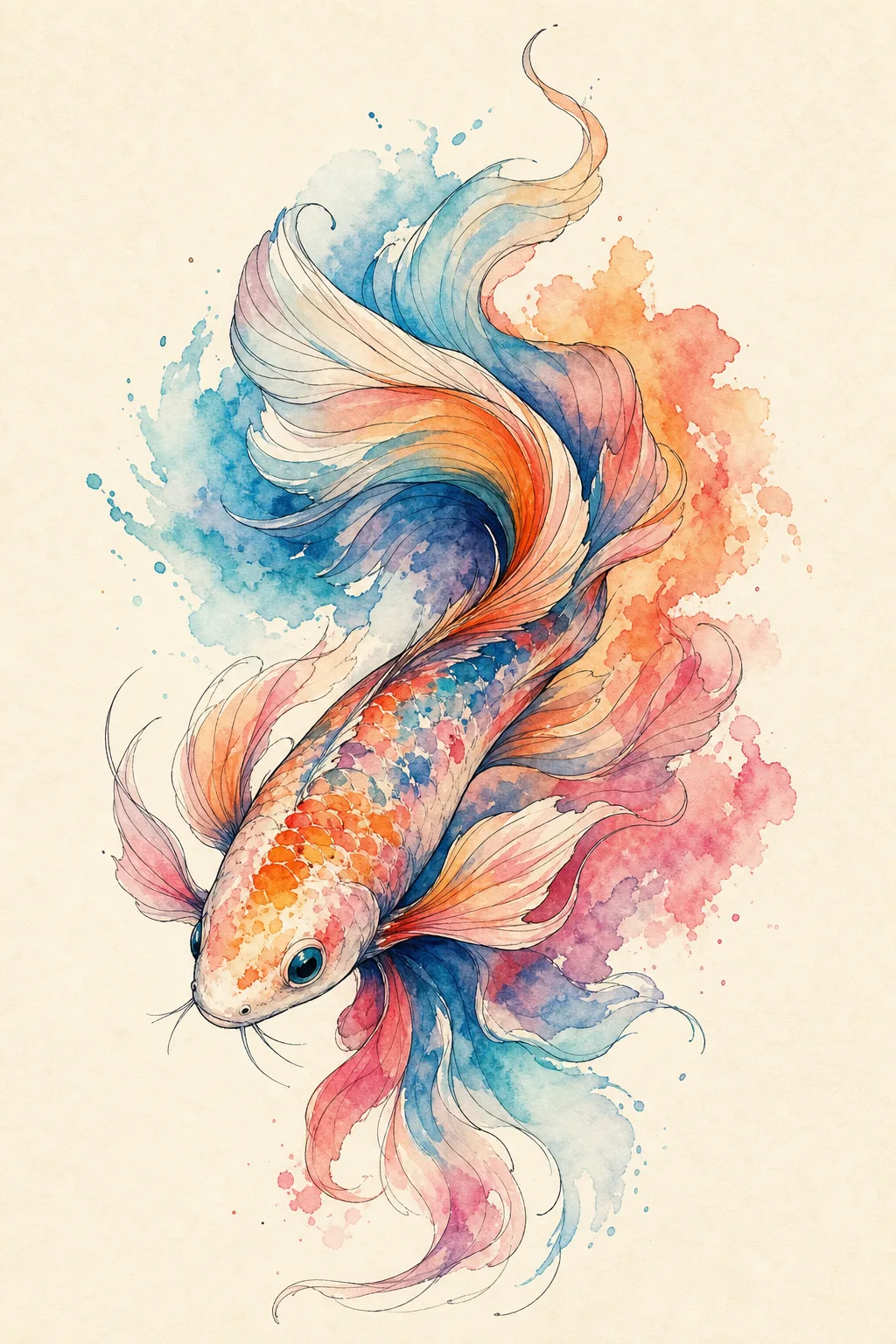
Hummingbirds, koi-inspired fish, butterflies, dragonflies, and small birds work well because wings, tails, and fins can follow the body while the color blooms around the motion.

Best fit

Best for outer forearms, calves, shoulder blades, upper arms, and placements where the subject can travel diagonally.

Design note

Let the main silhouette stay readable first. Add splashes behind the direction of movement instead of covering the whole subject with equal color.

Celestial and ornamental shapes Watercolor
03

Celestial and ornamental shapes

moonstarsmoth

A calm option for clients who want softness with a little structure and symbolism.

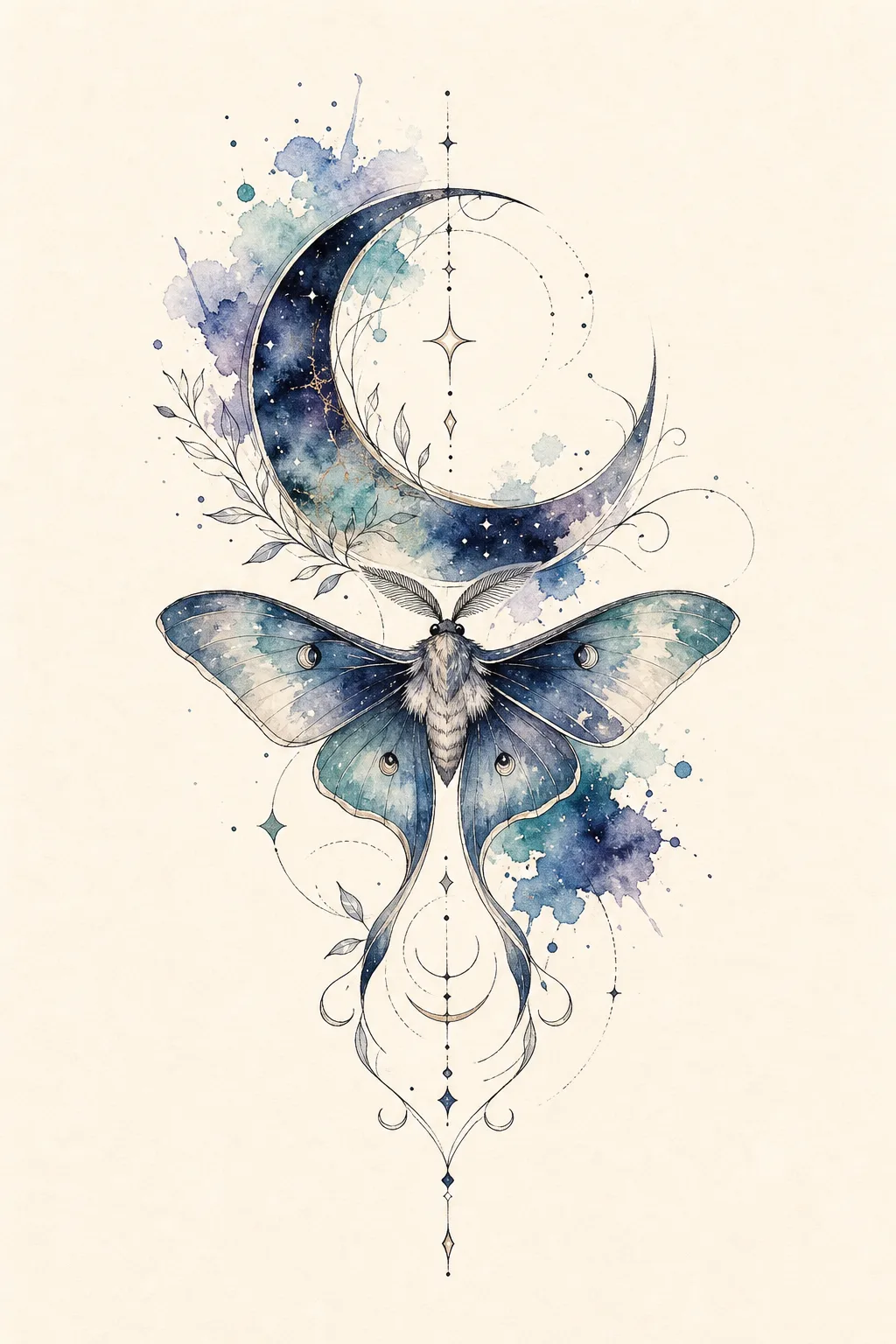
Crescents, moths, stars, jewelry-like drops, and light botanical lines can turn watercolor into something more composed. The color creates atmosphere; the ornament keeps the piece centered.

Best fit

Best for sternum pieces, upper back, spine-adjacent placements, shoulder caps, and medium vertical designs.

Design note

Keep the ornamental linework clean and avoid tiny decorative clutter. Watercolor already brings movement, so the black structure can stay simple.

Abstract brush fields Watercolor
04

Abstract brush fields

splashesnegative spacemood

Useful when the tattoo is more about color memory, emotion, or atmosphere than a literal object.

Abstract watercolor can work beautifully when it is planned around a body line. The risk is that the design becomes a random stain, so the color field needs direction, contrast, and breathing room.

Best fit

Best for larger flowing areas like upper arms, ribs, thighs, shoulder blades, and cover-adjacent concepts that need a softer overlay.

Design note

Anchor the wash with one simple shape, line, or silhouette. Ask your artist which colors can stay legible on your skin tone after healing.

Use AI to shape a stronger watercolor tattoo brief

"Compare floral, animal, celestial, and abstract watercolor directions before choosing the mood you want to bring into the studio."

"Test how soft washes behave on forearm, rib, shoulder, ankle, or back placements before your artist redraws the final linework."

"Turn color words like dusty blue, rose, lavender, amber, or teal into a clearer reference board with linework and negative space included."

Watercolor tattoo color, placement, and healing logic

Watercolor tattoo searches often start with a feeling: soft, painterly, bright, delicate, dreamy. The studio conversation needs one more layer. A tattoo artist still has to decide what holds the shape, where the color can fade softly, and which edges need linework so the piece does not disappear into the skin.

Think of watercolor as a color system, not only a filter. The subject, line weight, pigment density, skin tone, sun exposure, and placement all decide whether the tattoo stays elegant or turns muddy. A good early draft should show both the wash and the structure underneath it.

Popular watercolor tattoo directions

Watercolor flower tattoo

Peonies, wildflowers, lavender, roses, and birth flowers give soft color a natural drawing structure.

Watercolor butterfly or bird tattoo

Wings and flight paths let the color move across the body without needing a heavy background.

Watercolor moon and moth tattoo

A quieter direction with celestial structure, soft blue or violet washes, and enough black line to stay readable.

Abstract watercolor splash tattoo

Works best when the splash follows a body line and has one clear anchor, such as a symbol, word, silhouette, or small motif.

Watercolor tattoo FAQ

They can fade faster, especially when the colors are pale and the design has no strong linework. Good pigment choices, clear spacing, healed-work references, and sun protection make a big difference.
Not every piece needs a bold outline, but most need some structure. Fine lines, soft grey anchors, or a clear silhouette help the design stay readable as the color softens.
Forearms, upper arms, shoulders, ribs, calves, ankles, and shoulder blades often work well because they give the wash room to breathe without forcing too much detail into a tiny space.
Name the subject, placement, palette, linework level, amount of negative space, and what to avoid. A useful prompt might specify soft rose and teal watercolor washes, fine black botanical linework, outer forearm placement, and no dense background.

Start with a watercolor tattoo draft that has structure

Generate My Watercolor Tattoo Design
Watercolor Tattoo Ideas, Designs & AI Generator | OpenInk