Micro Realism Tattoo Ideas
Micro Realism Guide

Micro Realism Tattoo Ideas

Plan a micro realism tattoo that still reads in five years: honest sizing, contrast anchors, calm placements, and a studio brief that says which details deserve to survive the shrink.

What makes micro realism work at miniature scale

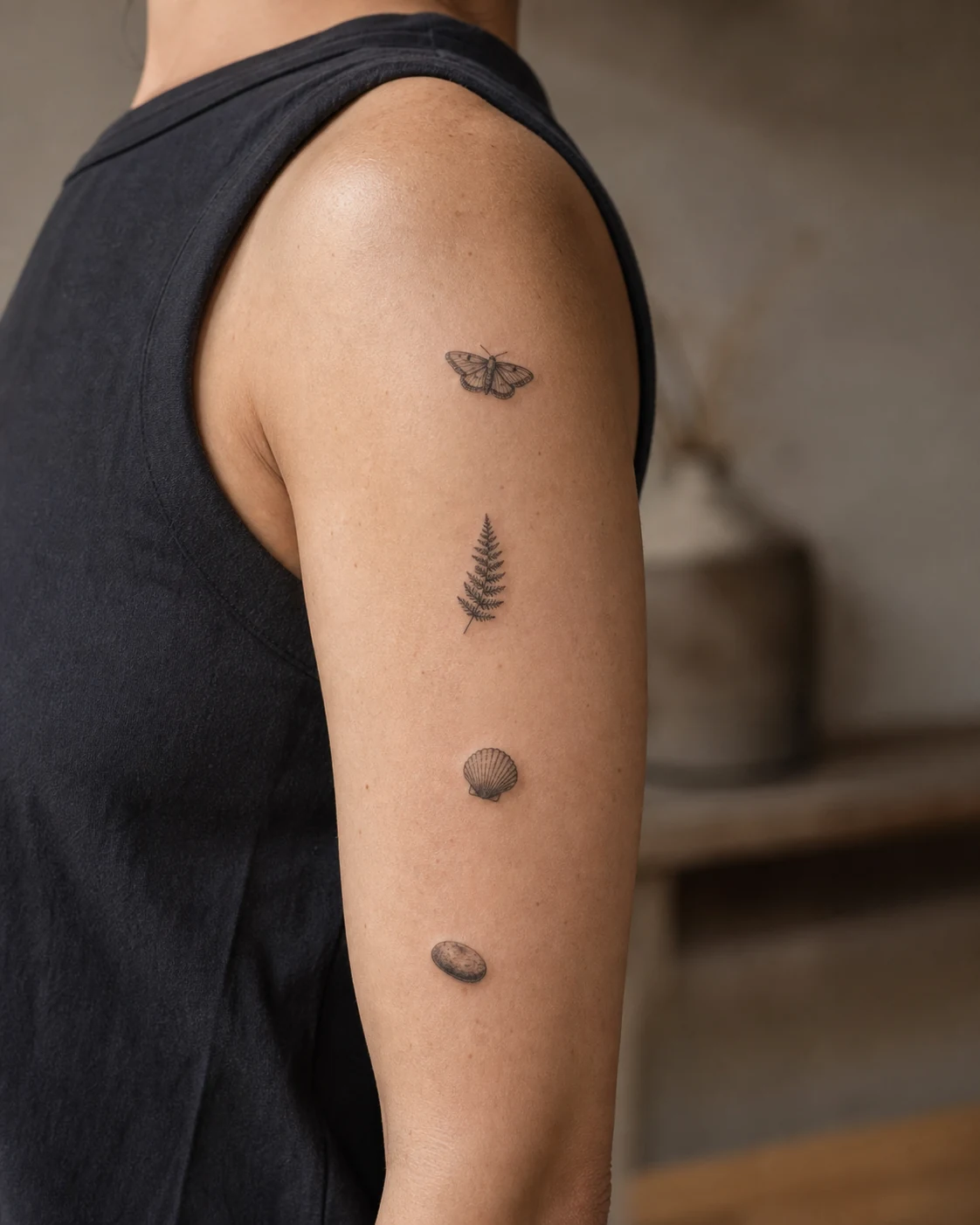
Micro realism compresses photographic detail into pieces the size of a coin or a credit card. Pet portraits, insects, film frames, and tiny landscapes hold up when the silhouette stays strong, the contrast keeps real darks, and the design accepts that skin is not paper.

Size honesty: every subject has a minimum size below which it stops being itself
Motif fit: pet portraits, bees and butterflies, film frames, tiny landscapes, and memory objects
Contrast anchors: even the softest micro piece needs a few true darks to stay readable
Studio clarity: placement friction, sun exposure, and detail priorities decide how the piece ages
Pet and family micro portraits Micro Realism
Starter Promptmicro realism tattoo style, tiny-scale photorealism, ultra fine detail in a miniature composition

Use this as a base, then add motif, placement, palette, and background details.

Micro Realism Motif Direction

Miniature realism is an editing exercise, not a shrinking exercise

A strong micro piece starts by deciding which three details carry the likeness, then deletes the rest. Shrinking a full-size realism design without editing is how micro tattoos turn into gray smudges.

Pet and family micro portraits Micro Realism
01

Pet and family micro portraits

pet portraitdogcat

The most requested micro subject, and the one where the eyes do almost all the work.

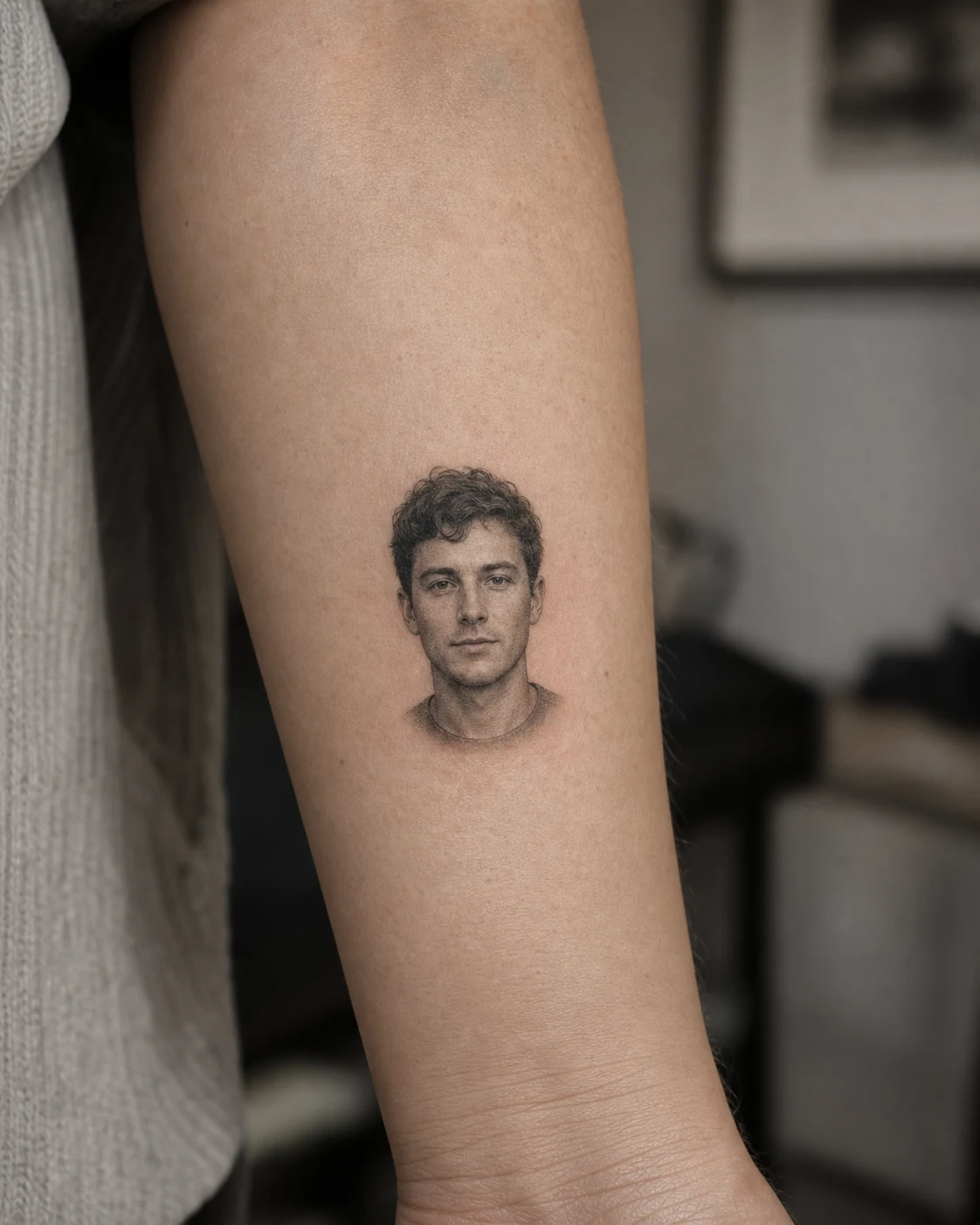
A micro pet portrait keeps the likeness in the eyes, the ear set, and one fur pattern. Everything else is negotiable. A sharp reference photo matters as much here as in full-size realism, because the artist edits from it rather than copies it.

Best fit

Best for inner forearm, upper arm, and collarbone area, where skin stays calm and sun exposure is manageable.

Design note

Keep it at palm-of-hand scale or larger for full faces; go smaller only for a single eye or nose-and-whiskers crop. Ask for real darks in the pupils.
Insects and botanical studies Micro Realism
02

Insects and botanical studies

beebutterflyflower

Nature's own miniatures, which is why they survive the scale better than anything else.

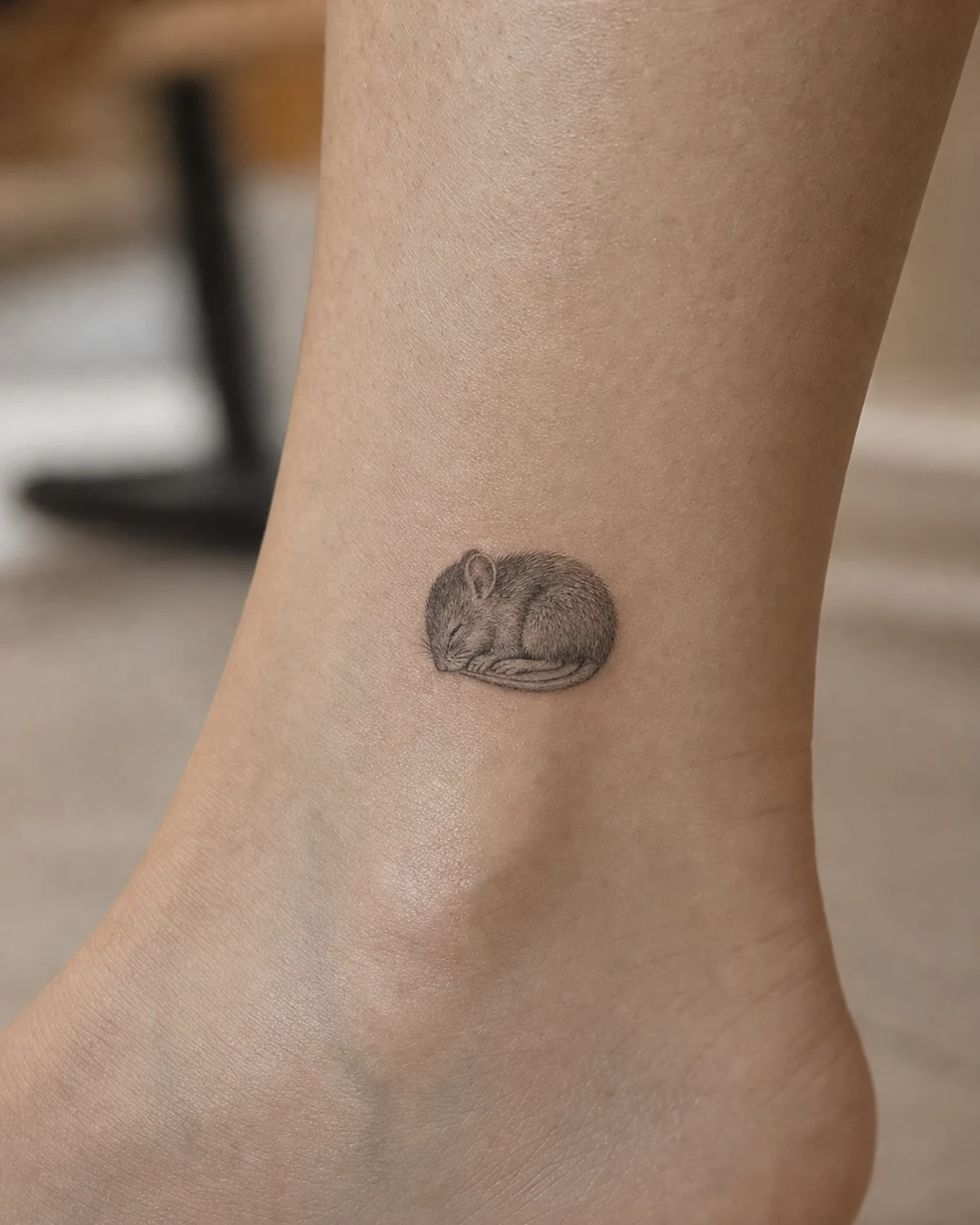
Bees, butterflies, beetles, and single blooms are already small in real life, so the eye accepts them at true scale. Wing venation and petal edges give realism texture without needing gradients everywhere.

Best fit

Best for wrist-adjacent forearm, ankle, shoulder blade, and behind-the-arm placements.

Design note

One insect plus one stem beats a crowded scene. Let the wings keep open skin inside them, and anchor the body in near-black.

Film frames and memory objects Micro Realism
03

Film frames and memory objects

film framepolaroidticket

A rectangle border turns any memory into a composed micro scene with built-in structure.

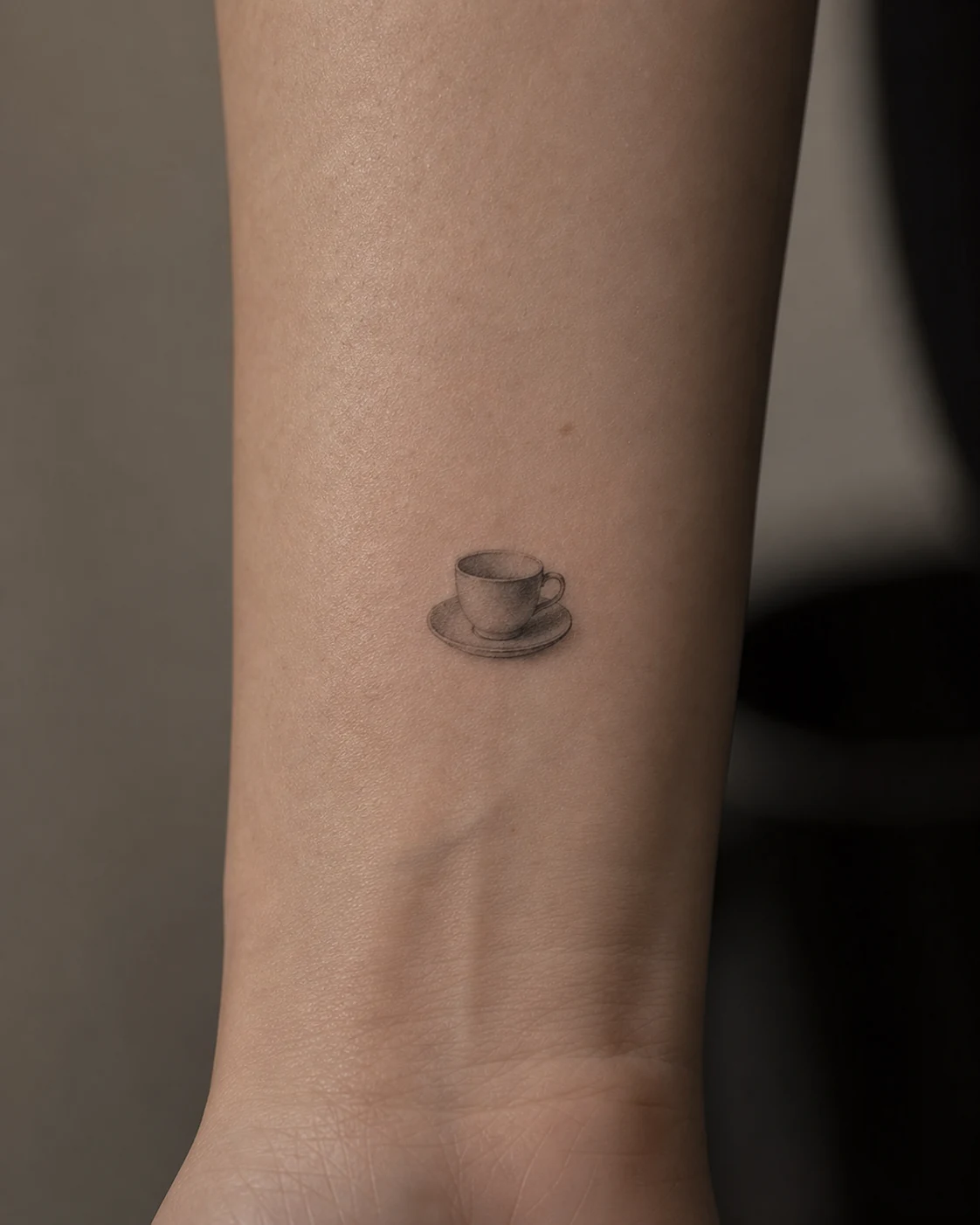
Film strips, polaroids, tickets, and cassette tapes give micro realism something it badly needs: a hard geometric frame that stays crisp while the tiny scene inside softens. The border does the aging for the picture.

Best fit

Best for forearm, above the elbow crease, and calf, where the rectangle can sit straight.

Design note

Keep the scene inside the frame to one subject and one light source. The frame lines should be the darkest element of the piece.

Tiny landscapes and celestial scenes Micro Realism
04

Tiny landscapes and celestial scenes

mountainswavemoon

Horizon bands, single waves, and moons that carry a place or a night without a full backpiece.

A mountain ridge from a specific trip, one breaking wave, a moon phase row. Micro landscapes work because silhouettes carry them; the realism lives in a narrow band of fine texture, and the rest stays air.

Best fit

Best for inner arm bands, ribs, ankle, and spine-adjacent placements that suit a horizontal or vertical strip.

Design note

Compress the detail into the middle third of the band and let both ends fade to open skin. Name the actual place in your brief — real ridgelines beat generic ones.

Use AI to find the minimum honest size before you book

01

"Generate the same subject at three sizes and see where the likeness stops surviving the shrink."

02

"Compare a full-face pet portrait against an eye-crop version to decide which reads better small."

03

"Build a studio brief with the three details that must survive, the placement, and the sun-exposure reality."

Styles

Micro realism planning for sizing, aging, and detail triage

Micro realism's known weakness is time: ink spreads a little every year, and details placed too close together eventually touch. The fix is not avoiding the style; it is triage. Decide which three details carry the piece, give them space, and let everything else simplify into suggestion.

A useful micro brief names the subject, the placement, the true target size in centimeters, and the details that are allowed to disappear. Artists who specialize in micro work will also want your reference photo early, because they edit the design from it rather than trace it.

Popular micro realism directions

01

Micro pet portrait tattoo

Dog and cat portraits where the eyes, ear set, and one fur mark carry the likeness at coin scale.

02

Insect and botanical micro tattoo

Bees, butterflies, and single blooms that survive true scale because they are small in real life.

03

Film frame and memory object tattoo

Polaroids, tickets, and film strips whose crisp border keeps the tiny scene composed as it ages.

04

Tiny landscape tattoo

A real ridgeline, one wave, or a moon phase row compressed into a clean horizontal band.

Micro realism FAQ

All tattoos soften as ink spreads; micro pieces feel it first because their gaps are smaller. Good micro work plans for it with spaced details, real contrast anchors, and calm placements — that is the difference between softening gracefully and smudging.
A full pet or human face needs roughly palm-of-hand scale to keep its likeness. Single objects like a bee, an eye, or a small flower can go smaller. When an artist says a size will not hold, that is experience talking, not caution.
Inner forearm, upper arm, and collarbone areas: low friction, low sun, and flat enough to read. Fingers, hands, and feet are the worst offenders for micro detail because the ink there moves and fades fastest.
Name the subject, the crop, the target size, and the contrast plan. A useful prompt might ask for a micro realism dog portrait for the inner forearm, five centimeters tall, focus on eyes and ear set, near-black pupils, simplified fur, open skin background.

Start with a micro draft that knows what to delete

The designs on this page all came out of our AI tattoo generator. Describe your idea, pick the Micro Realism style, and a first draft lands in about a minute. Free to start.